Women’s sport has at last found its place in the limelight, but why does it still feel so fragile, so close to disappearing?
01 So… are more people actually tuning in?
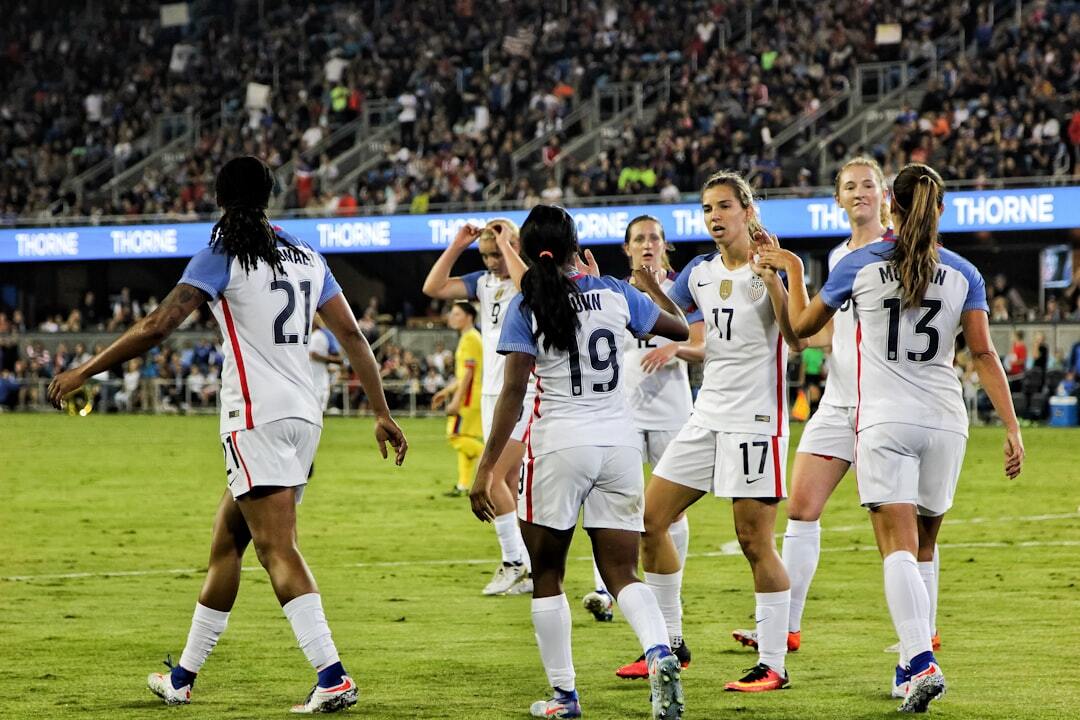
Women’s sport broke UK viewership records in 2025, thanks to the Women’s Euros and Rugby World Cup. It generated 13% of primetime sports viewership hours despite receiving only 8% of primetime coverage.
PRIME-TIME VIEWING
13%
Source: Women’s Sport Trust.
Big tournaments have a way of engaging imaginations. If you haven’t been watching WSL games this season, you might well have been following England’s left-back conundrum for the last few weeks, and that’s no bad thing. It’s always important to try and attract new fans to a sport, so here’s hoping they stick with it.
If you tuned in for England, do you know when Arsenal Women will be on TV next, or where your closest women’s team plays? Big events prove there’s an audience, but keeping up week to week is still harder than it should be.
02 Why the coverage stays uneven
Men’s football dominates the media. A Premier League manager just has to have a mild tantrum to fill an afternoon’s news cycle (not to mention being condemned to a rich assortment of memes). Nothing ever slips by quietly. Women’s sport doesn’t have that kind of hype machine behind it. In Ireland, women’s sport made up 18% of national sports news coverage in 2025.
Broadcasters want evidence of an audience before offering more airtime, while sponsors want the exposure that broadcasting would provide. Supporters are expected to become attached to leagues they rarely see discussed by sports media. Everybody waits for somebody else to take the first risk, which suits the people withholding the money and coverage.
Streaming has improved access, but that doesn’t mean it’s easy to find.

03 What being professional actually means
Money stays critical, although the argument about pay becomes repetitive quickly. England’s men’s and women’s national football teams receive equal match fees, while the Red Roses have better contracts than in the past. Minimum salaries introduced in the WSL and WSL 2 in 2025 place a floor under what clubs can offer. These changes tell us more about life near the top.
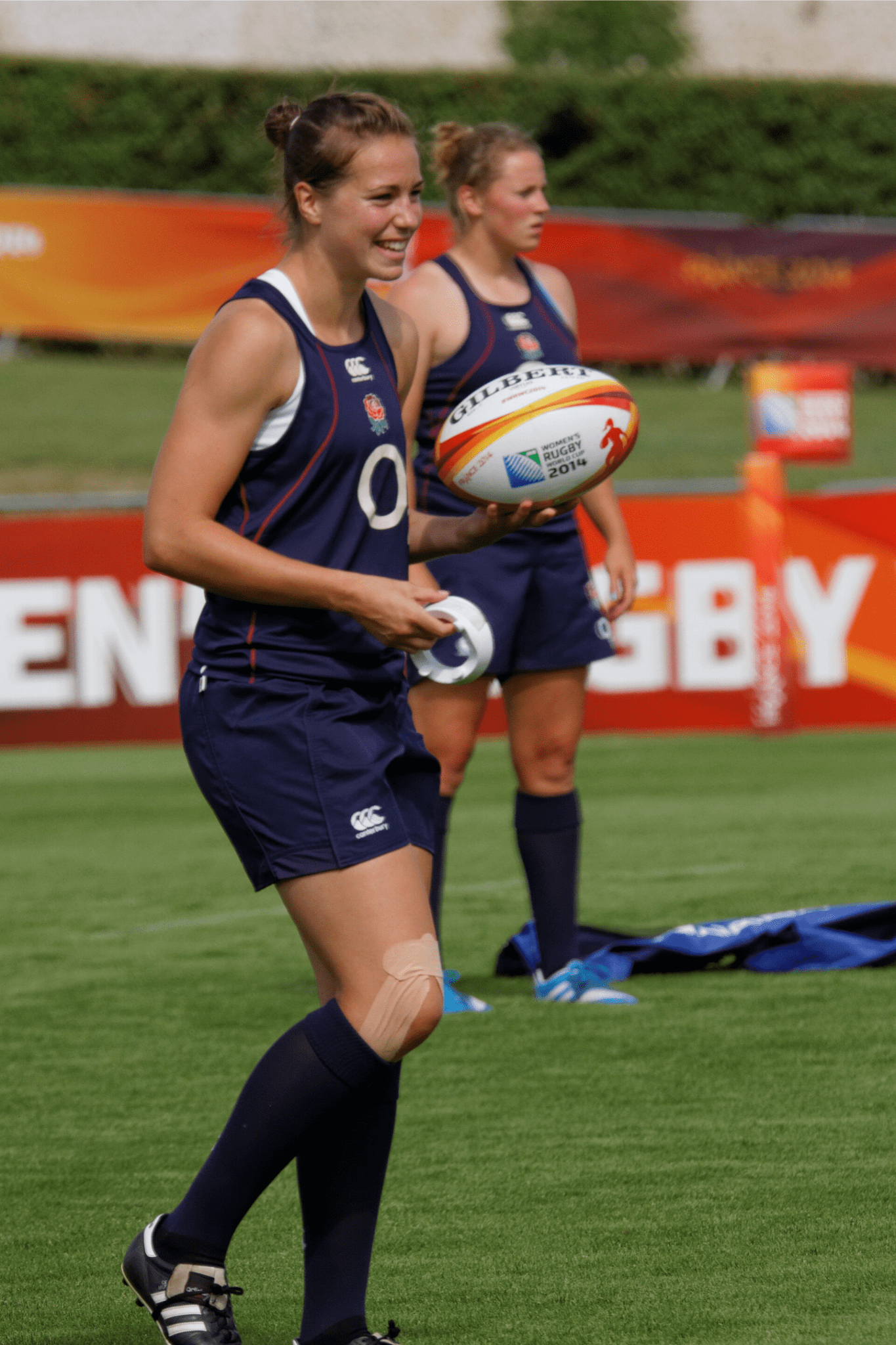
But I find myself thinking even more about the players lower down. A squad player without sponsorship might have a contract and still struggle to make ends meet. Take cricket. In 2025, the ECB equalised minimum domestic salaries for men and women, with rookie contracts starting at £20,000 and the senior-pro minimum set at £28,000. That’s progress, but it also shows how narrow the gap can be between being a professional athlete and being financially secure. If she gets injured, how quickly does it all unravel?
I’m cautious not to turn every pay debate into a comparison with men. Equal pay makes sense when players are doing the same international job for the same governing body. As I previously mentioned, the FA pays both the women’s and men’s national teams the same. Sounds too good to be true, right? Because it is. England’s male players have donated their international match fees to charity since 2007. Those fees are a tiny fraction of the club salaries earned by many of them. For female players, international fees and lower club wages can make up a much more significant part of their total earnings.
Contracts have been slow to account for pregnancy, maternity protection, fertility treatment and childcare. These are ordinary parts of women’s lives, yet sport acted as though somebody had added them halfway through the rulebook. The FA and RFU have introduced improved maternity policies in recent years, though implementation varies across sports and levels. If governing bodies want long careers, the conditions must make them possible. It is baffling that this still needs arguing.
04 When women are the ones making the call
Guess what? The barriers aren’t just for players. The female referees? The commentators and pundits? You know, the people who help shape how we understand a game? They’ve had to fight for space there too.
Rebecca Welch became the first woman to referee a Premier League match in December 2023, more than 30 years after the competition began. Ireland has had its own trailblazers, too: Michelle O’Neill (not that Michelle O’Neill, another one) became the first Irish person to officiate at a FIFA World Cup final in 2019, before joining the first all-female officiating team for a men’s UEFA Super Cup later that year.
Getting through the door is only part of it. Sport Ireland surveyed 412 current and former women officials. Many also said the route into and through refereeing wasn’t clear for women. It’s difficult to imagine yourself doing a job when you’ve barely ever seen another woman doing it.
It probably won’t come as a shock that the broadcast side hasn’t exactly raced ahead either. Jacqui Oatley became Match of the Day’s first female commentator in 2007, nauseatingly recent for a programme that had already been on air for more than four decades.
And when women are in front of the microphone, there can be almost no room for error. Karen Carney deleted her Twitter account after receiving online abuse following a 2020 post from Leeds United’s official account that singled out her analysis. While the club condemned the abuse, her opinion on a football team had somehow become part of a much bigger argument about whether women have any right to voice an opinion on football at all.
05 And then there’s history
In 1921, the FA barred women’s football from the grounds of affiliated clubs, calling the game “quite unsuitable for females.” The restrictions kept women’s teams away from those grounds for nearly 50 years. It didn’t just mean fewer big matches. It cut teams off from the facilities and support structures controlled by the organised game. When you spend half a century telling women they don’t belong, you don’t undo that with a few years of better coverage and sponsorship deals. The gap we’re still arguing about didn’t start in the 1990s. It started in 1921, and we’re still catching up.
Exhibit #49,901,754 of women being oppressed because men feared their power:
On 5 December 1921, the FA met at its headquarters in London and announced a ban on the women’s game from being played at the professional grounds and pitches of clubs affiliated to the FA, stating “the game of football is quite unsuitable for females and ought not to be encouraged.”
In 1920, Dick, Kerr Ladies drew at least 46,000 to Goodison Park, with contemporary reports putting the crowd as high as 53,000. The FA weren’t banning them because nobody was showing up, as they could pull tens of thousands through the turnstiles. Were they threatened, perhaps?
The archive
Over a century of women playing sport and men explaining why they shouldn’t.
From doctors warning it would ruin their chances of motherhood to ex-players moaning on X, the same tired arguments keep showing up.
You’d think they’d have found a hobby by now…
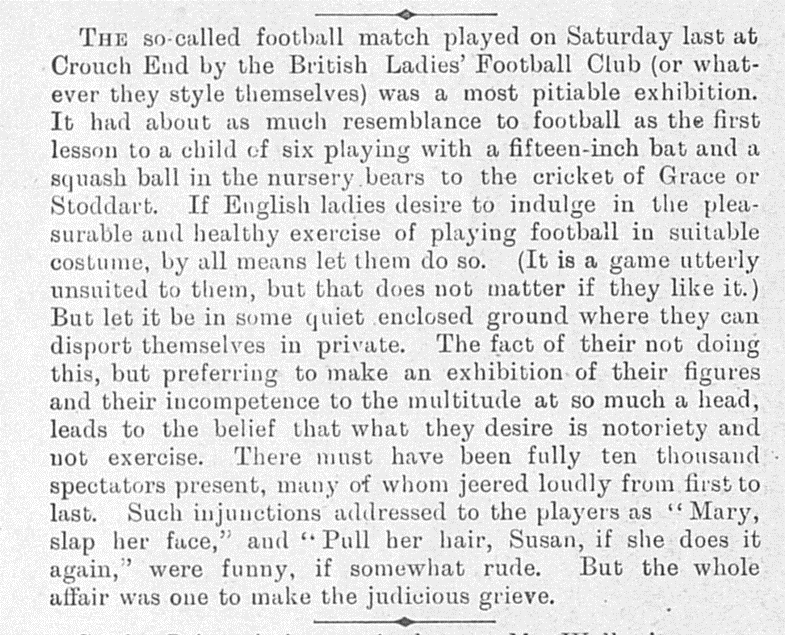
Women try football. Nation somehow survives.
The Illustrated Sporting and Dramatic News, UK, 1895
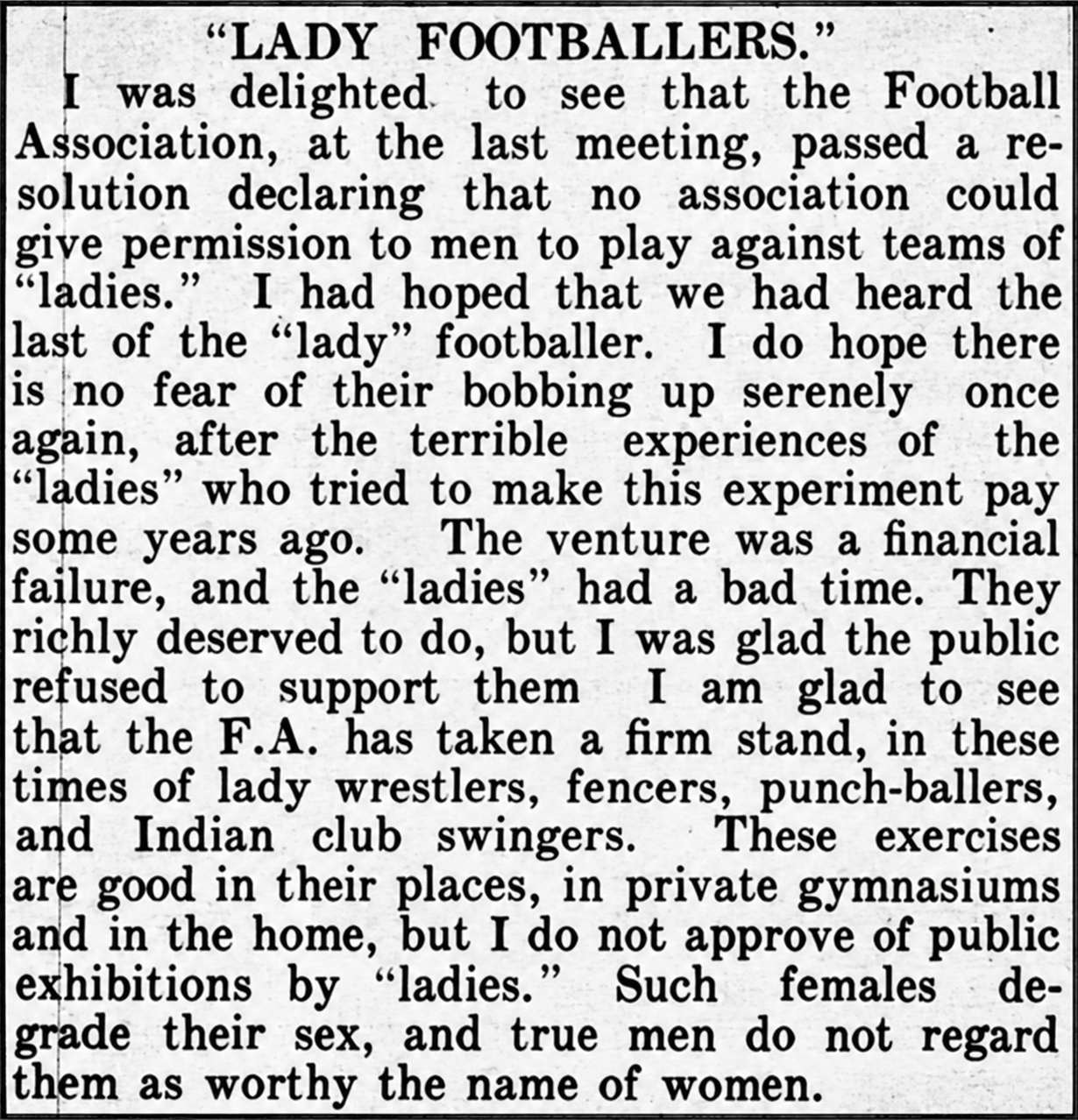
Seven years later, and apparently they’re still worried.
Burnley Gazette, UK, 1902
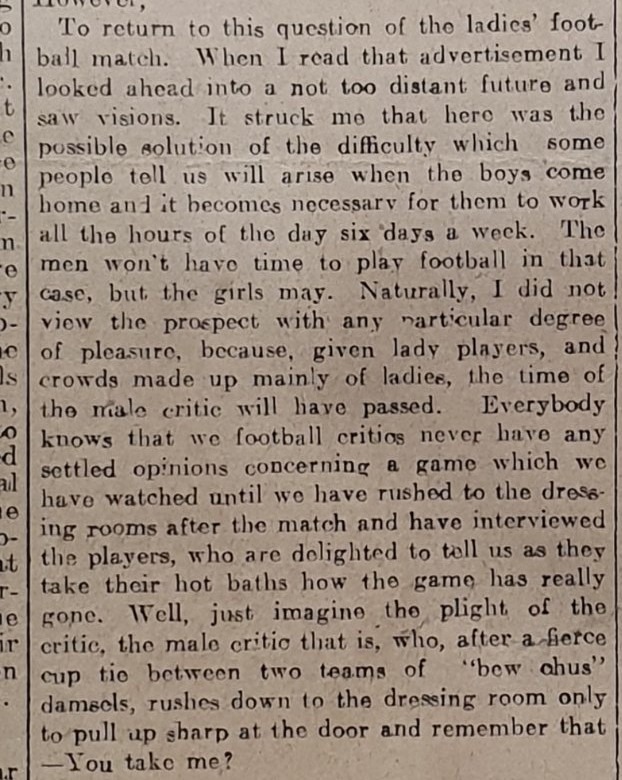
Nothing threatens civilisation quite like women having a kickabout.
Yorkshire Sports, UK, 1916
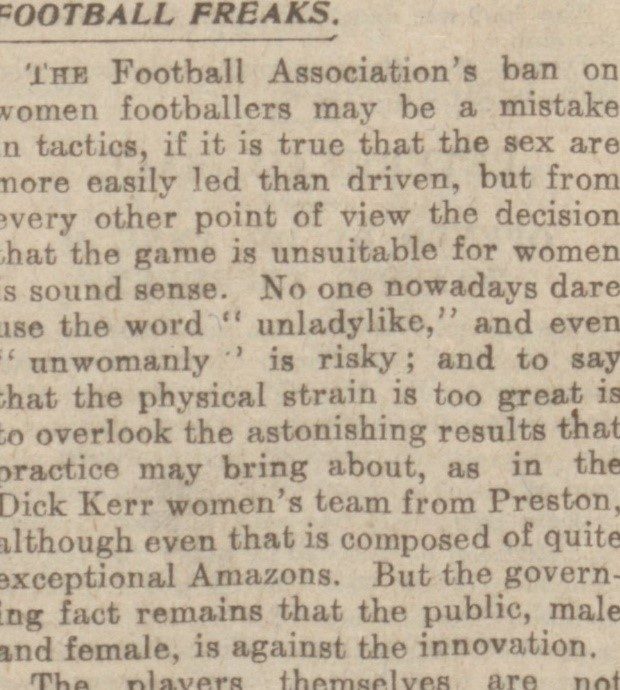
The problem with women’s football? Women, apparently.
Aberdeen Journal, UK, 1921
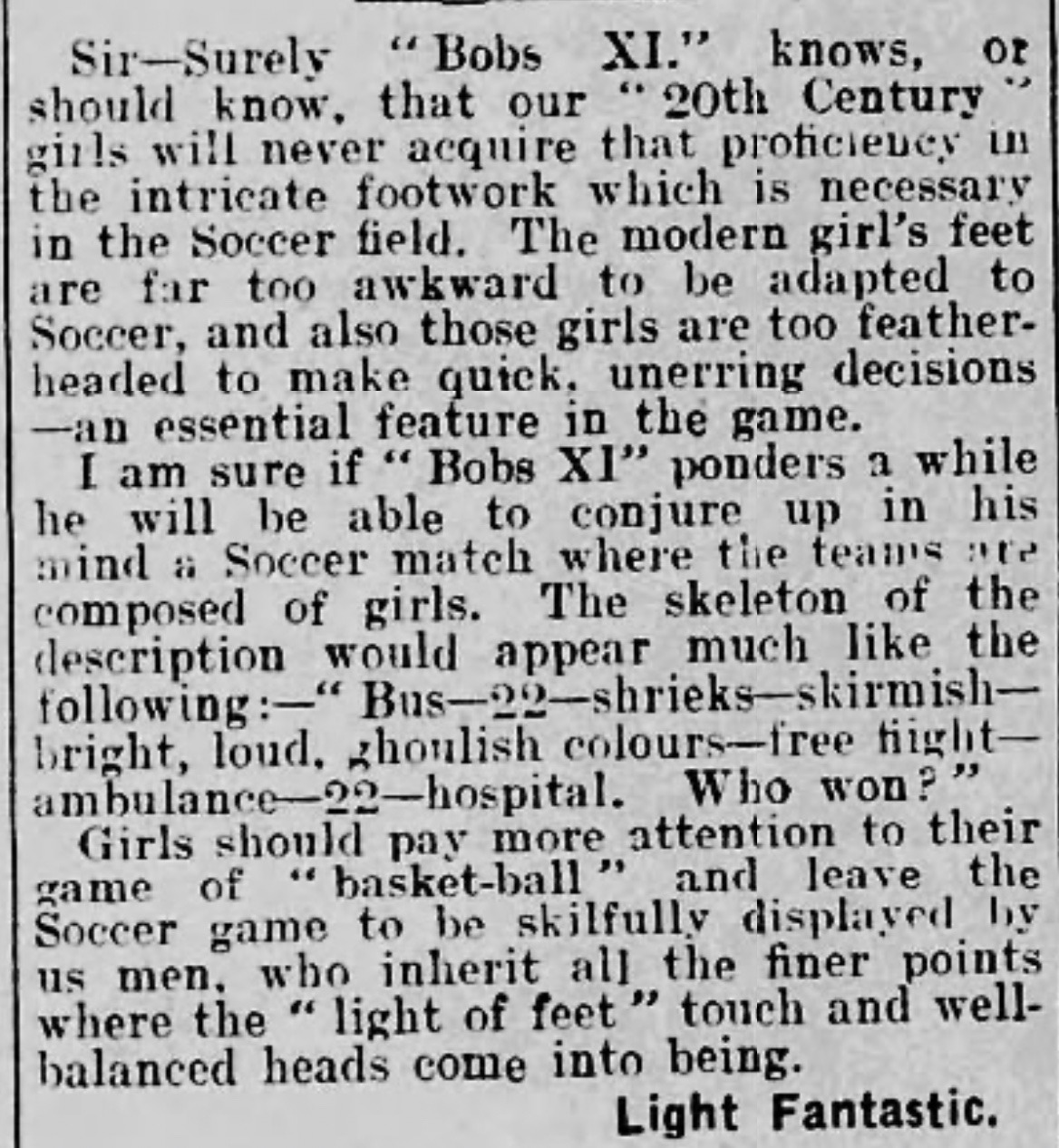
Bad news, ladies: your feet simply aren’t built for football.
Evening Herald, Ireland, 1937
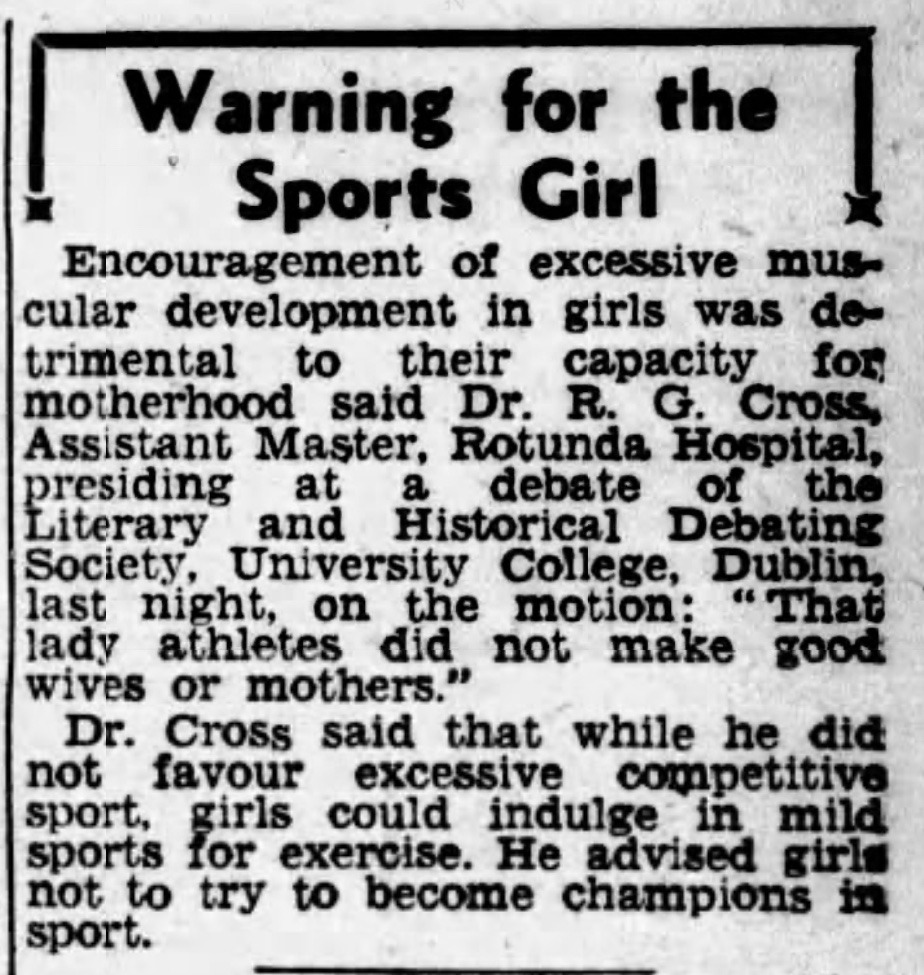
Sport could ruin motherhood. Science has entered the chat.
Sunday Independent, Ireland, 1944
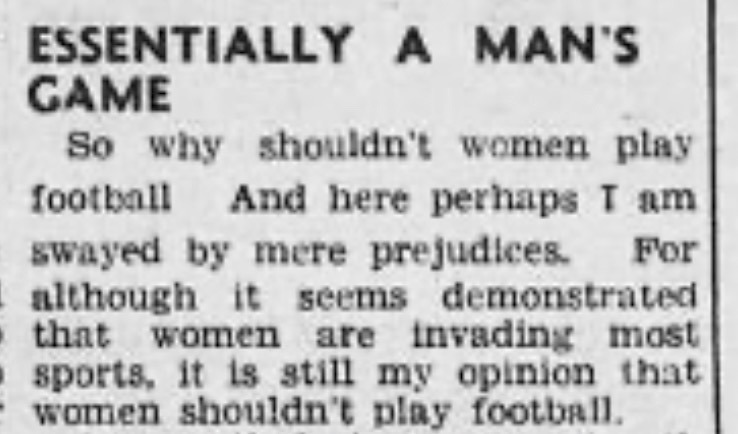
Half a century in and football is still a “man’s game”.
Evening News and Star, UK, 1950
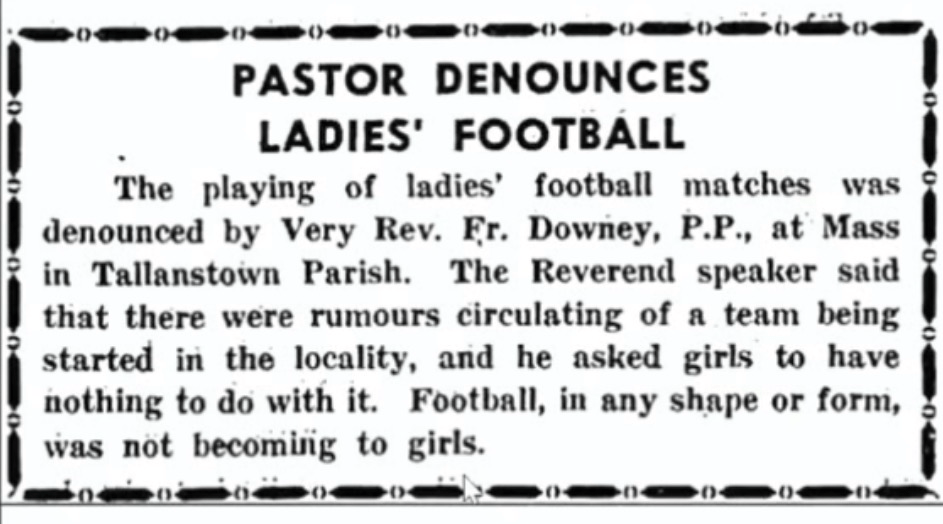
The Church would also like a word about your football habit.
Drogheda Independent, Ireland, 1960
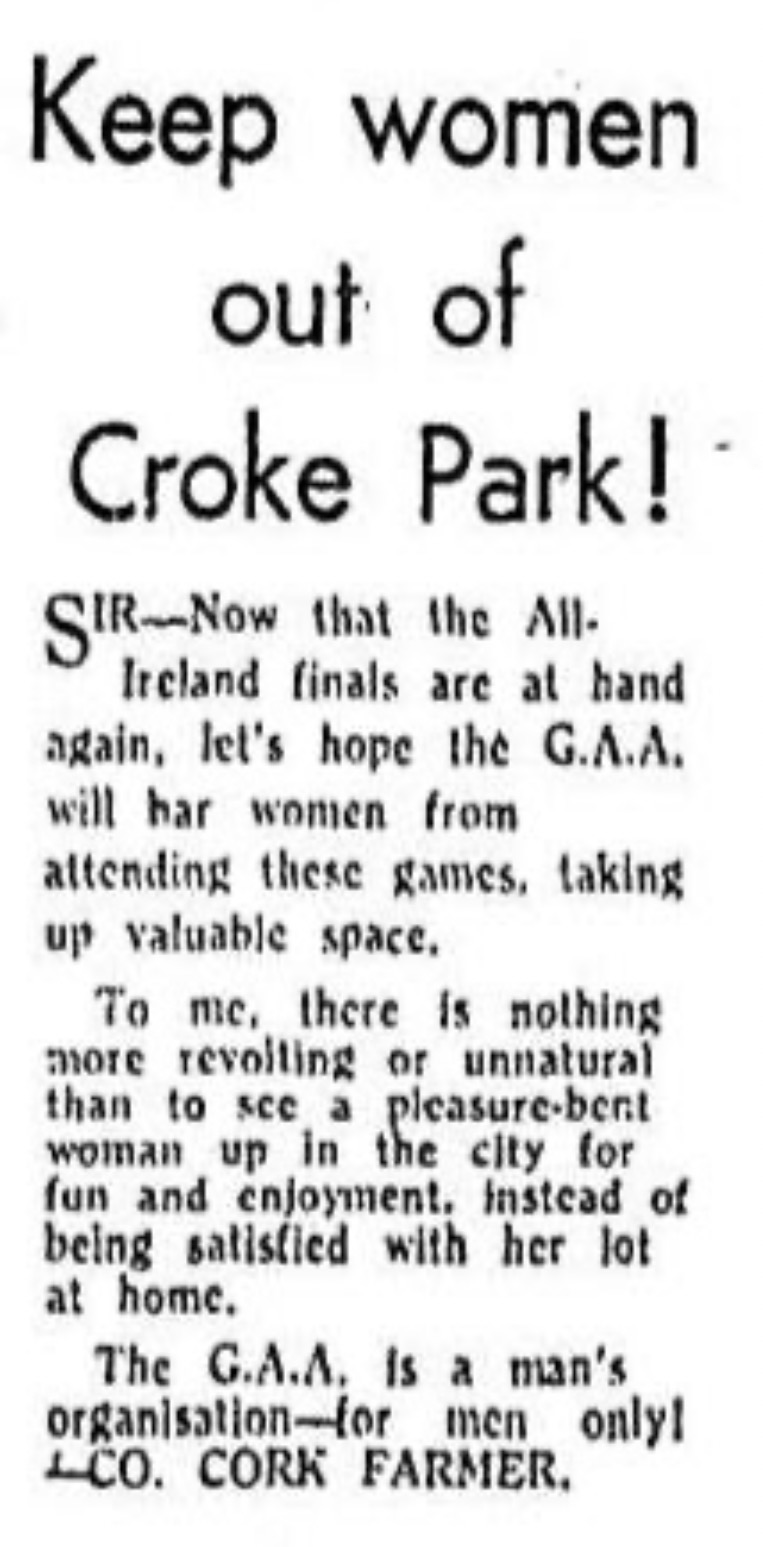
Croke Park: strictly no women enjoying themselves, please.
Sunday Independent, Ireland, 1967
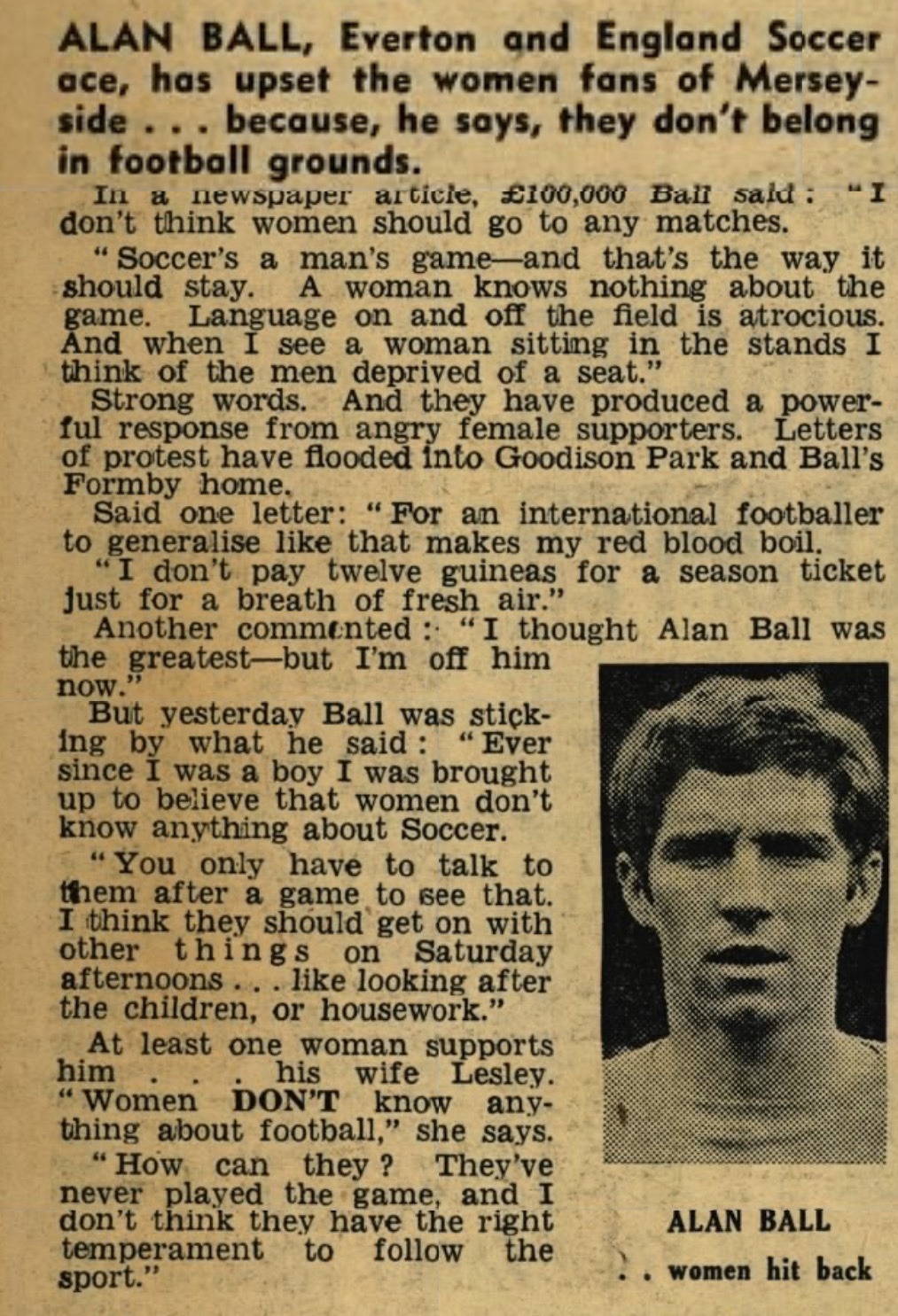
Women at football matches? Alan Ball has concerns.
Daily Mirror, UK, 1968
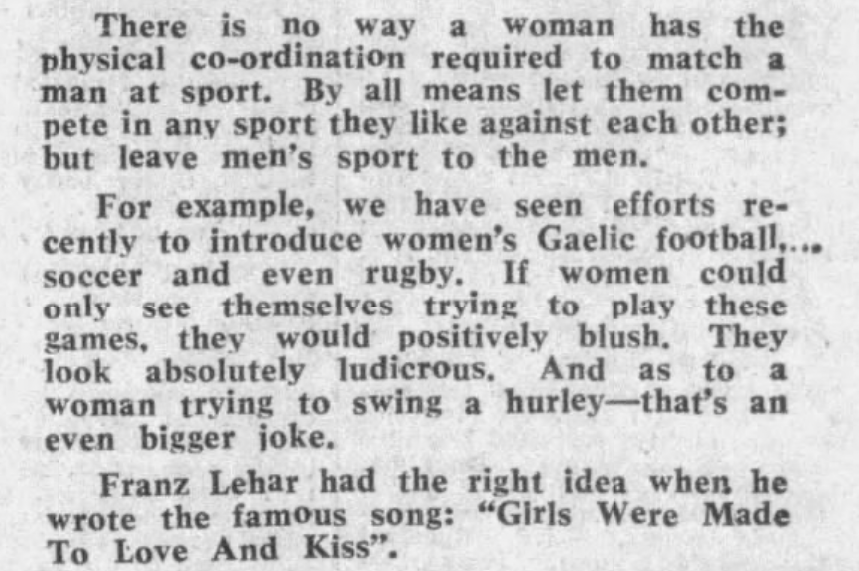
Women can play sport. Just preferably none of the sports men like.
Evening Herald, Ireland, 1977
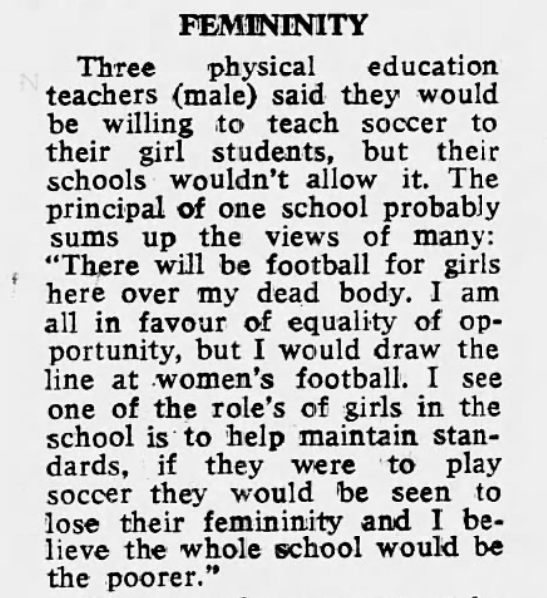
Equality is fine, provided nobody starts playing football.
Irish Independent, Ireland, 1981
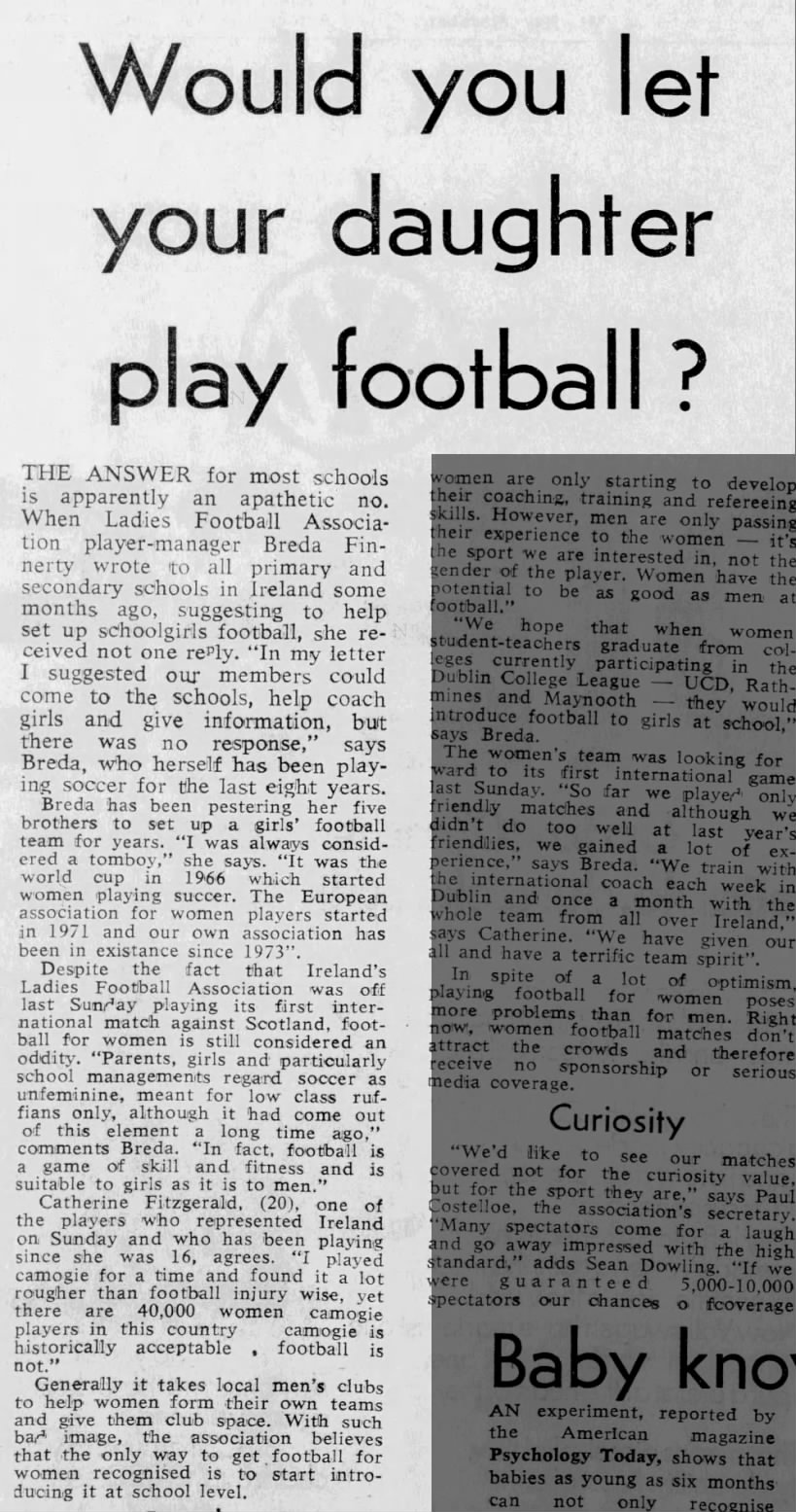
Would you let your daughter play football? Terrifying stuff.
Irish Independent, Ireland, 1982
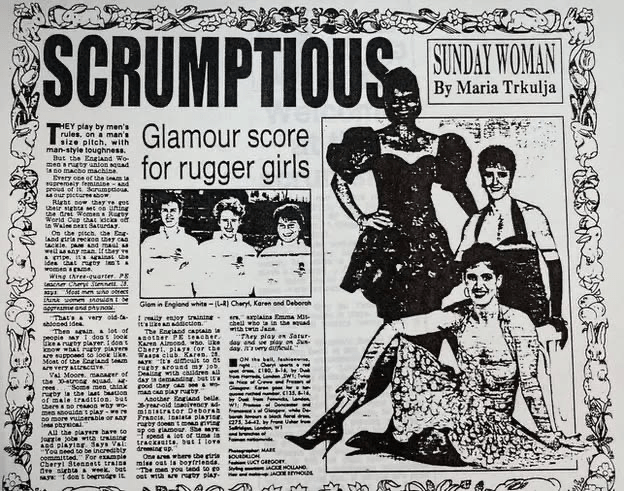
Women’s rugby arrives. Naturally, let’s discuss glamour.
Sunday Mirror, UK, 1991
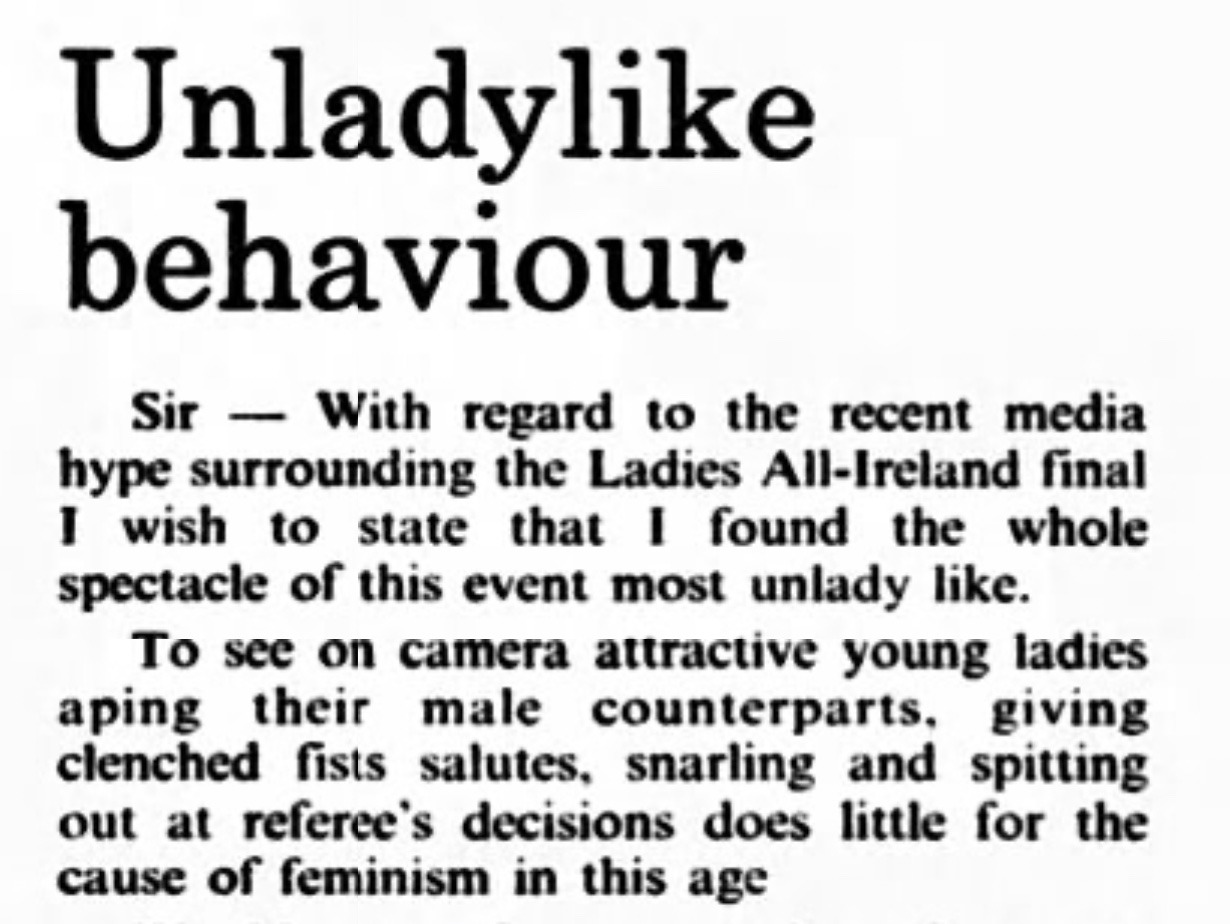
A century later and women are still being told how to behave.
Irish Independent, Ireland, 1998
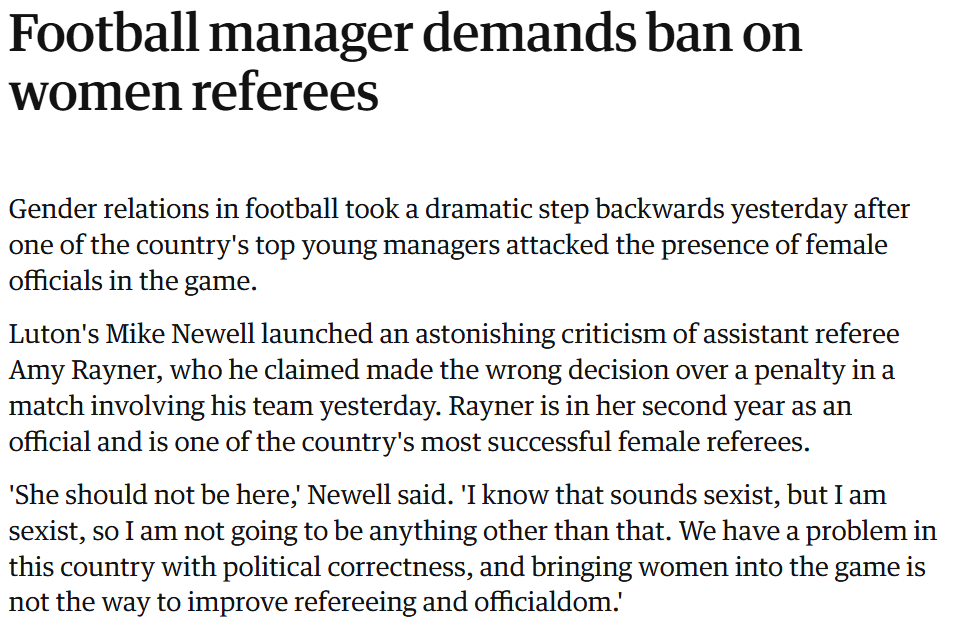
New millennium, same old problem: a woman has entered the pitch.
Manager Mike Newell on female referees, The Guardian, UK, 2006
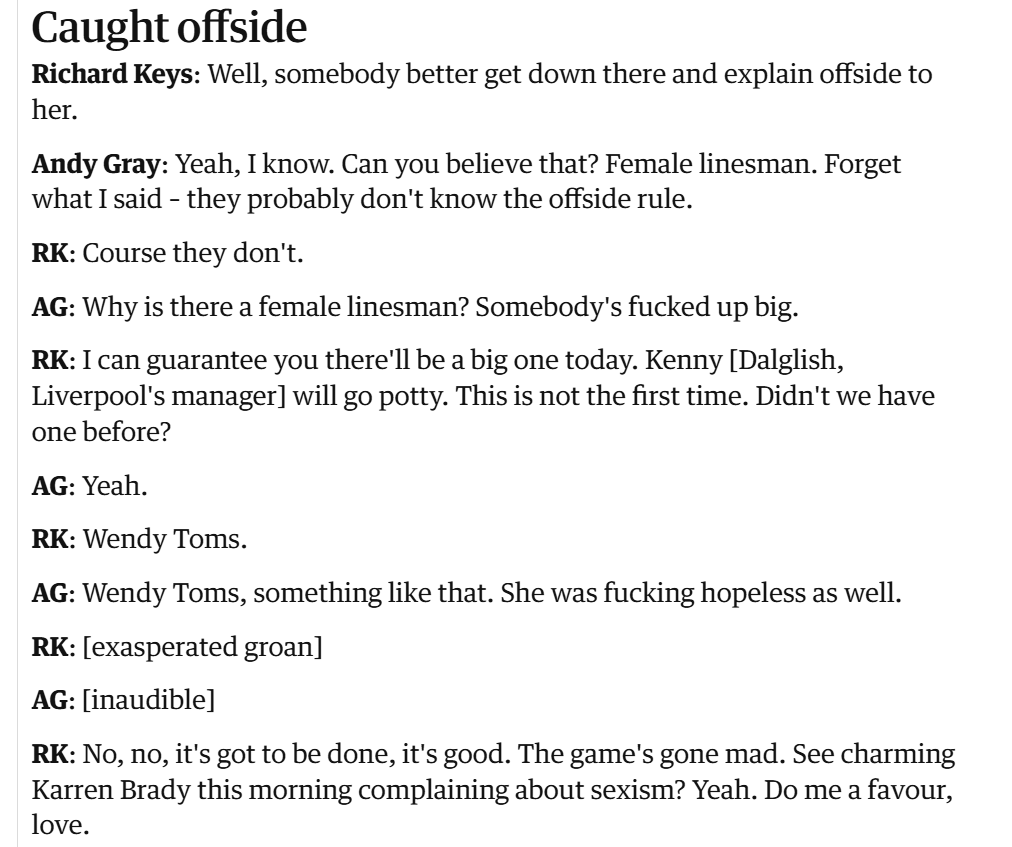
It’s 2011. Yes, we’re still doing the offside joke.
Richard Keys and Andy Gray comments recorded by an anonymous source while not on air during Sky Sports Premier League coverage, snippet from The Guardian’s report on the scandal, UK, 2011
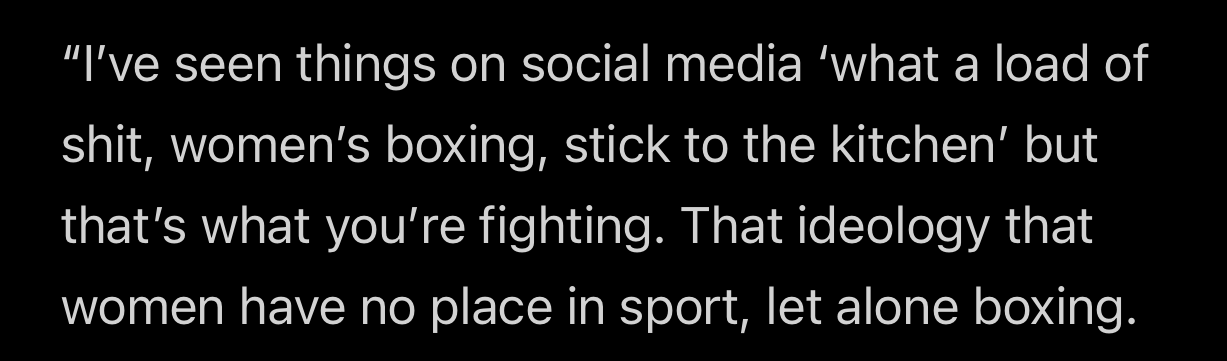
Women’s boxing is thriving, despite male pushback. At least one guy is on our side…
Eddie Hearn interview, The42, Ireland, 2016
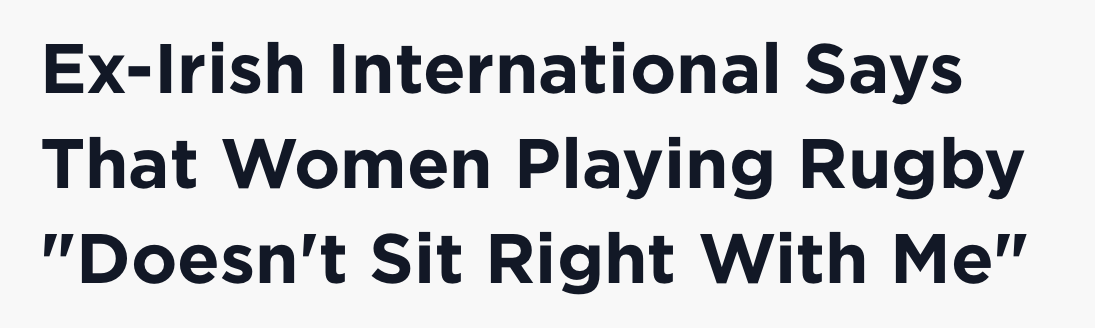
Women have now been playing sport for well over a century. Still not sitting right, apparently.
David Corkery Facebook post, reported by The Irish Times, Ireland, 2017
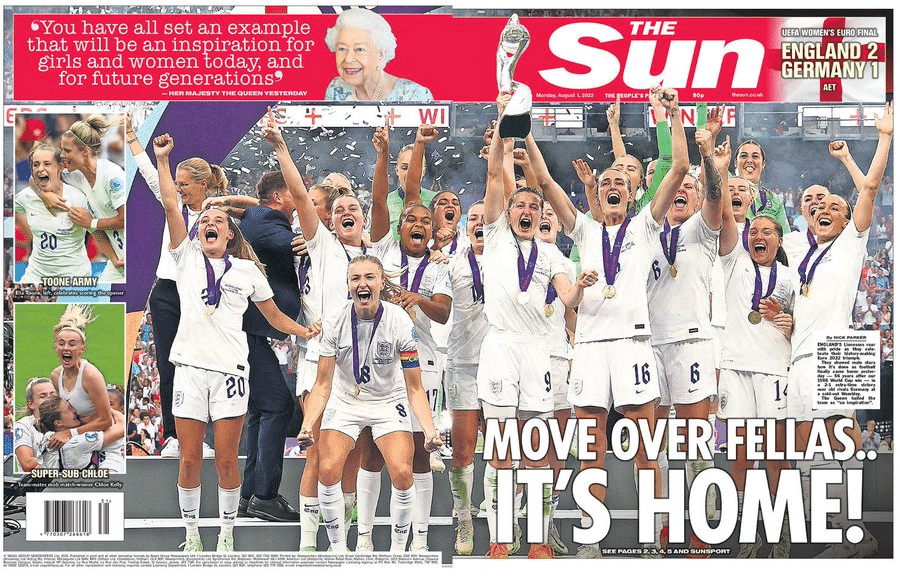
The women do what the men never have. The men still get a mention.
The Sun, UK, 2022
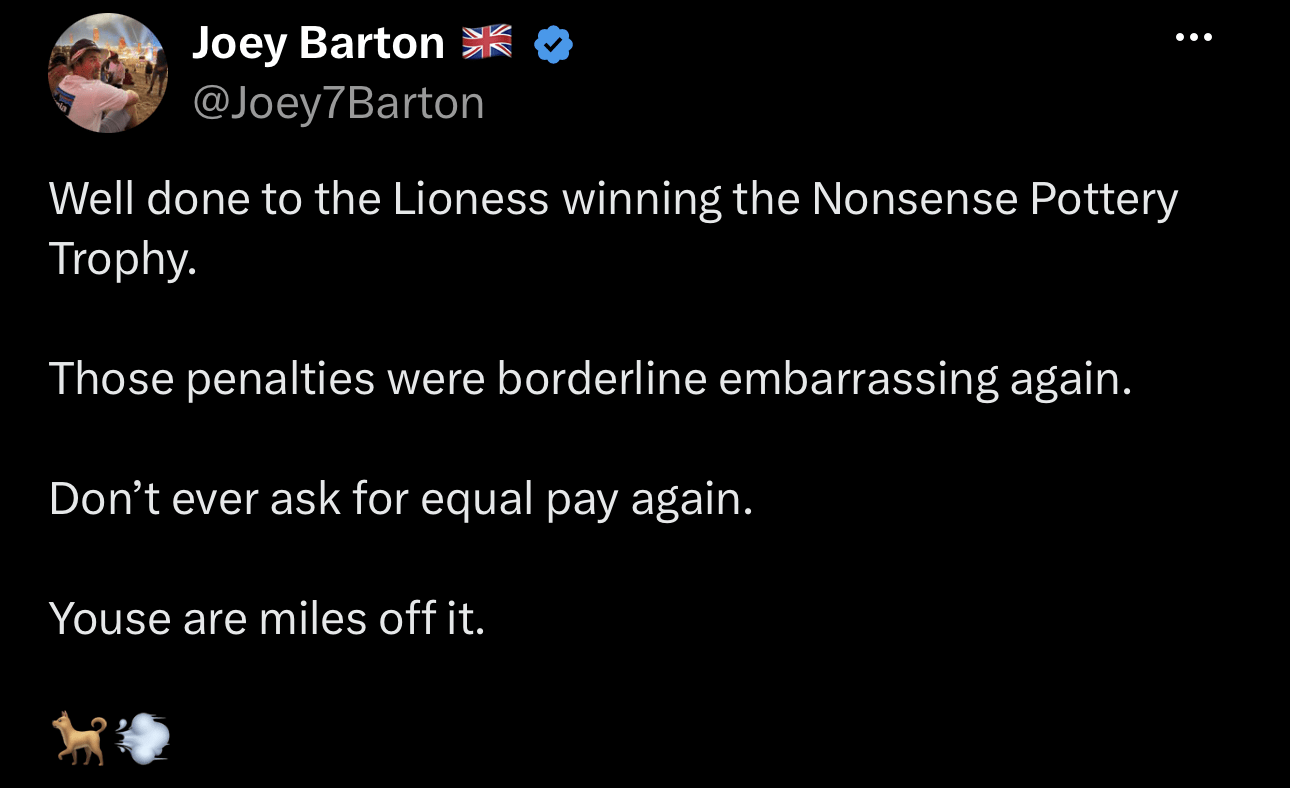
130 years later, Joey Barton has some thoughts (yeah, the man who has more convictions than England caps)
X, 2025
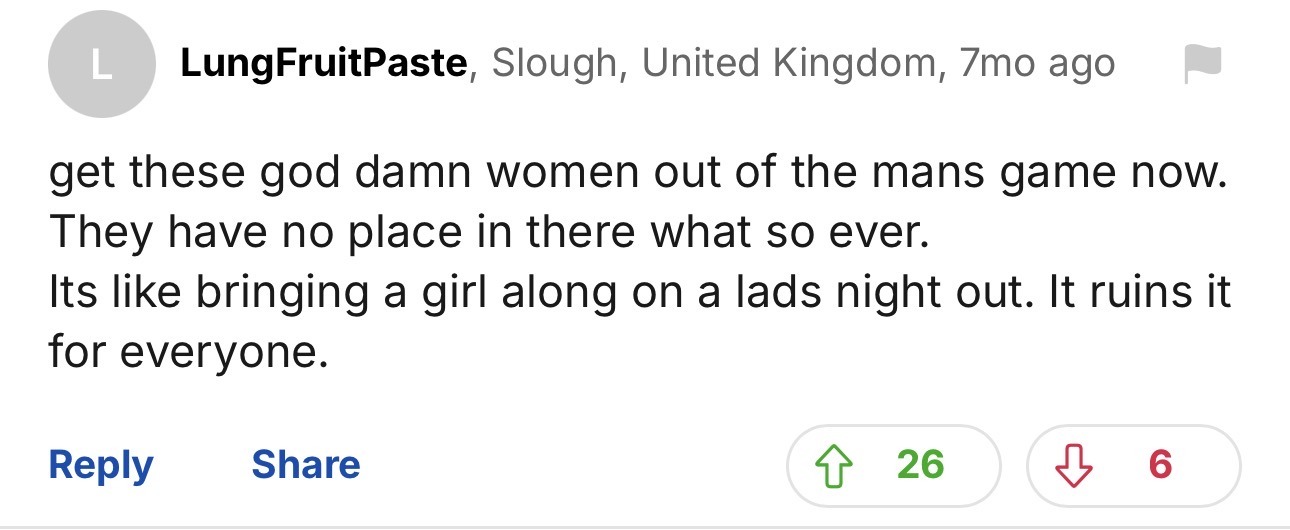
Welcome to 2026. “The man’s game” remains under imaginary threat.
Daily Mail comment section, 2026
06 What happens after girls get inspired
Visibility has definitely improved. Now, a girl can watch England lift a trophy and see female players analysed, criticised, celebrated, and even debated just like the men. They’re seen as athletes, at last, and that sense of normality really matters.
A bigger stage
For all the old arguments about whether women’s sport belongs, this is what progress can look like: visibility, celebration and young players being able to see a future in front of them.
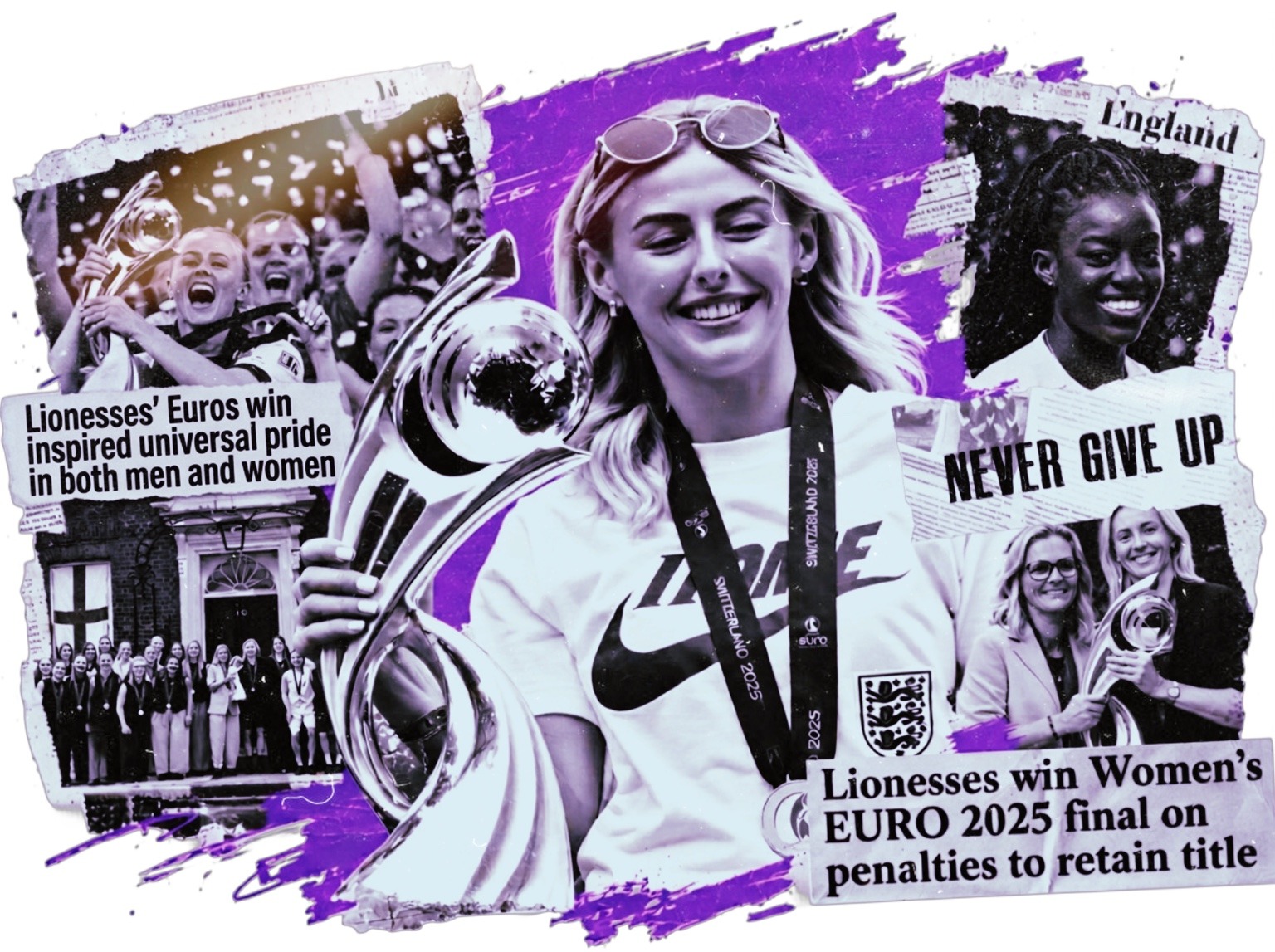
Watching Alessia Russo score might get a girl interested. Keeping her playing football for the next decade takes considerably more. A girl may be disappointed to learn that the nearest team is full or that her family can’t manage the travel. She could be awarded a place only for it to evaporate before the next age group.
Inspiration gets kids through the door, but it’s the facilities and the volunteers that help them stay. It might not make for thrilling TV, but that is what separates a burst of sign-ups from a generation who actually stick with the sport.
07 Why Ireland looks different
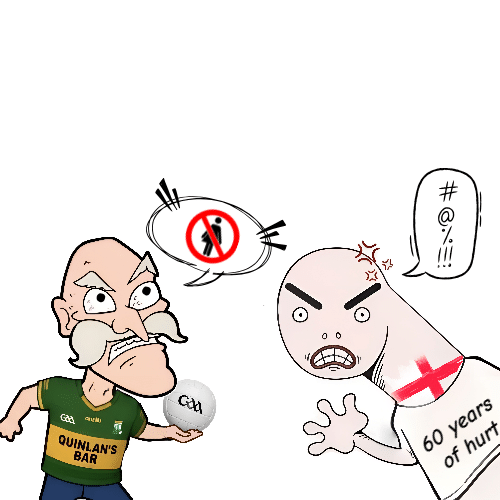
Gaelic games complicate the pay comparison because these too are amateur games for their players, although that makes them no more equal. Money is only one way of showing priorities. These become evident as soon as training times and fixture changes are raised, and again in the choice of who gets the main pitch and proper promotion.
The GAA has historically operated separately from the LGFA and Camogie Association, although work towards integration is continuing.
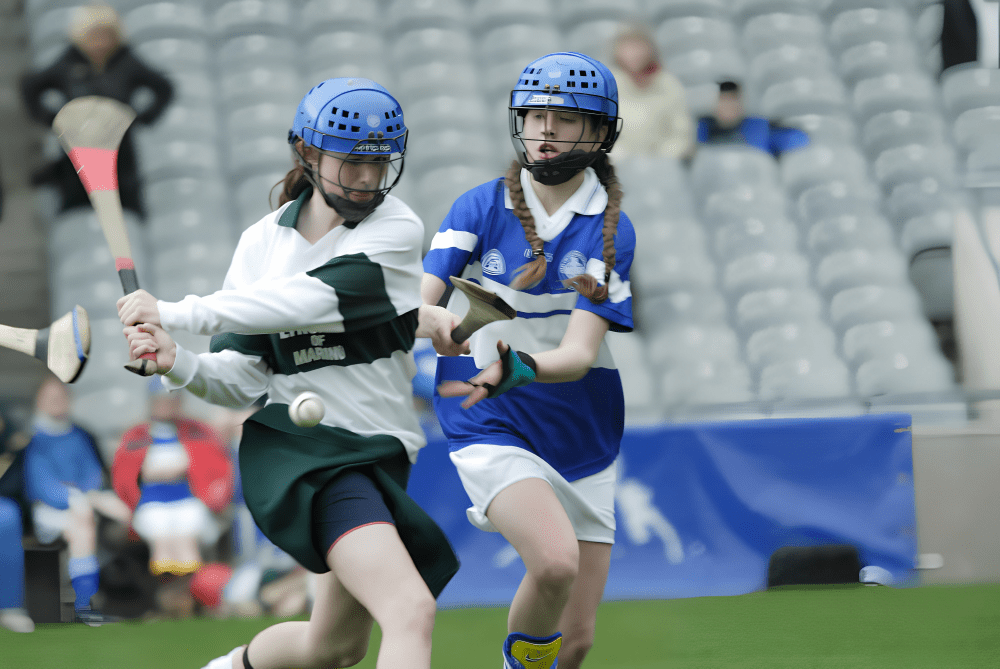
There are more women on Ireland’s sporting boards now, so it should be harder to ignore these issues (they make up 48% of boards across the Irish sport sector), but having a seat at the table doesn’t mean that things have magically been fixed.
08 How occasional viewers become supporters
Women’s sport is sometimes marketed as though women are its entire audience. Plenty of men watch it, which shouldn’t be surprising, because sports fans watch sport. Women made up 41% of UK broadcast audiences for women’s sport in 2025, meaning 59% of viewers were men.
Social media enables athletes to directly communicate with their fans and share what happens in their lives outside of a post-match interview. However, the other side of the coin is that they are expected to be content creators, too. Training and recovery now have to squeeze in time for TikTok, and all before breakfast. That is a lot to pile onto anyone’s plate.
The bottom line is that social media can’t provide the funding or consistency coverage should bring.
09 What progress actually looks like
Women’s sport will only start to feel truly secure when every game is not treated like a referendum on whether the whole thing works. Some matches will be dull, and clubs will make mistakes. Crowds go up and down, because that is just how sport works.
Men’s competitions are allowed ordinary weeks without anyone rethinking their existence, while women’s sport is still measured in extremes, with a record crowd held up as proof of transformation and a poor turnout used to argue that the interest was never real. Most of the growth sits somewhere between those two stories.
Which brings me back to what happens after the final whistle. When the cameras are gone, can the player still live on her contract? Can fans still find the league? The girl who wanted to start playing football: will she have somewhere to play in five years? The trophy gets the glory shot, but what really matters is what happens next. That is what shows whether the sport can handle the attention it has earned.
Previously in Know Your Place: Classism in British and Irish sport

Editor. Gig-goer. Fantasy football tactician. London-based Executive Assistant by day, live music obsessive by night. Being a control freak? Very transferable skill.